
Essential Post-Cycle Therapy Guide
Post-cycle therapy (PCT) is the phase after a steroid cycle that restores hormonal balance and supports safe physiological recovery. This guide covers core protocols, medications, and dosages for recovery after anabolic steroid use. Many users experience hormonal fluctuations and side effects post-cycle that can lead to health complications if unmanaged. The article reviews recommended PCT protocols, drugs and dosages, side-effect management strategies, variations by steroid type, and legal considerations for PCT supplements in Canada.
What Are the Best Post-Cycle Therapy Protocols for Effective Recovery?
Effective PCT combines targeted medications with a structured timeline to restore hormonal homeostasis. The main objective is to stimulate endogenous testosterone production while reducing adverse effects from hormonal imbalance.
Which PCT drugs are essential for hormonal balance restoration?
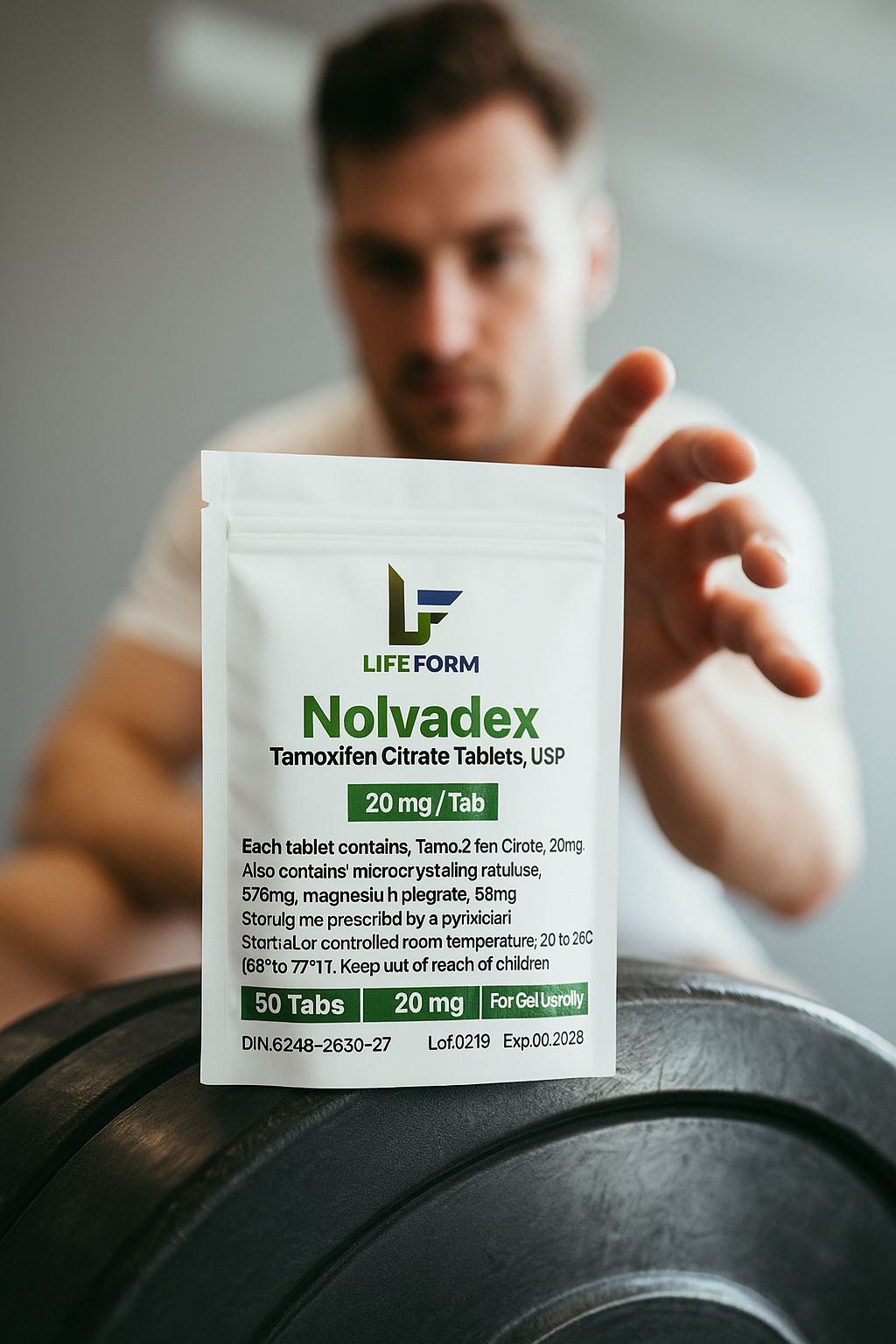
Key agents include Clomid (clomiphene citrate), Nolvadex (tamoxifen citrate), and HCG (human chorionic gonadotropin). Clomid and Nolvadex are selective estrogen receptor modulators (SERMs) that prompt the pituitary to raise luteinizing hormone (LH) and follicle-stimulating hormone (FSH), supporting testosterone synthesis. HCG mimics LH and directly stimulates testicular testosterone production. When used appropriately, these medications help restore hormonal balance and reduce the effects of low testosterone.
How long should a typical PCT last for optimal results?
A standard PCT lasts about 4 to 6 weeks, adjusted for cycle length and intensity. Steroid type, individual response, and overall health influence timing. Typically, begin PCT roughly 2–3 weeks after the final dose of long-ester steroids, or about 1 week after short-ester compounds, to allow the body to initiate recovery.
Safe PCT Dosages & Side Effects Management for Clomid, Nolvadex & HCG
Safe PCT requires precise dosing and vigilance for adverse effects. Adhering to recommended dosages supports recovery while minimizing risk.
What are the recommended dosages for Clomid, Nolvadex, and HCG?
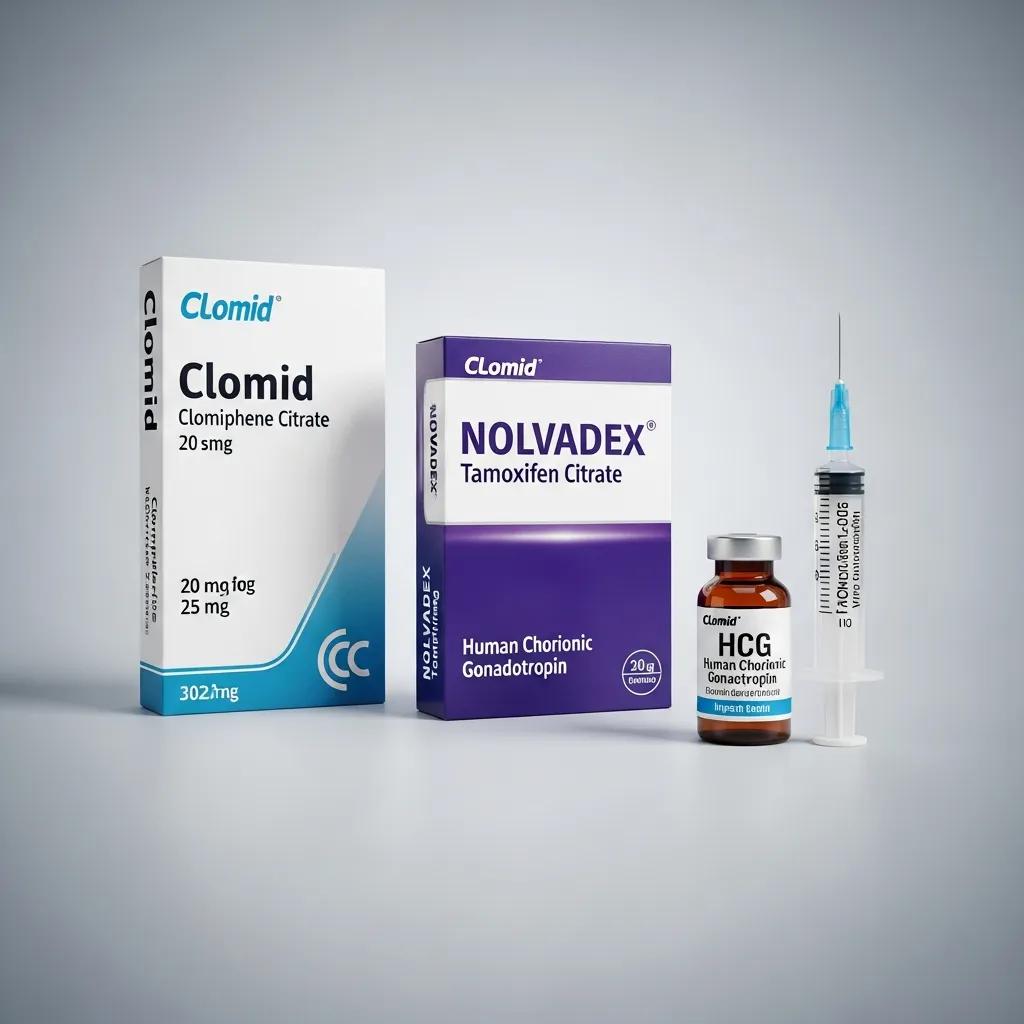
The table below summarises commonly recommended dosages for primary PCT agents:
| PCT Drug | Recommended Dosage | Frequency |
|---|---|---|
| Clomid | 25–50 mg daily | Daily |
| Nolvadex | 20–40 mg daily | Daily |
| HCG | 500–1,000 IU | 2-3 times weekly |
These regimens aim to stimulate endogenous testosterone while limiting adverse effects. HCG is often given during the steroid cycle or at its end rather than continuously through PCT, since prolonged HCG use can suppress native LH production.
Observational data and user reports provide additional context on typical dosing patterns and associated adverse reactions.
PCT Drug Dosages & Side Effects
The most frequently reported daily dosages were 25 mg/d for clomiphene, 22 mg/d for tamoxifen, 0.4 mg/d for anastrozole, 10 mg/d for exemestane, 2 mg/d for letrozole. The main way of obtaining these drugs was through the internet. 157 ADRs were reported, mainly related to mood disorders (n = 40), sexual disorders (n = 30), and gynecomastia (n = 20).
Doping with aromatase inhibitors and oestrogen receptor modulators in steroid users: analysis of a forum to identify dosages, durations and adverse drug reactions, M Rochoy, 2022
How to recognize and manage common PCT side effects?

Common PCT side effects include mood changes, hot flashes, headaches, and fatigue. Early recognition enables timely management. Mitigation strategies include:
- Monitoring Hormone Levels: Regular blood tests help track hormones and adjust dosages as needed.
- Lifestyle Adjustments: A healthy diet, regular exercise, and adequate sleep support overall well‑being during PCT.
- Consulting Healthcare Professionals: A healthcare provider can offer personalised strategies for managing side effects.
What Are the Variations in PCT Protocols Based on Steroid Cycle Types?
PCT protocols vary with the steroid compounds and cycle characteristics. Recognising these differences is necessary to tailor recovery appropriately.
How do PCT protocols differ after short vs. long anabolic steroid cycles?
Short cycles typically require about 4 weeks of PCT; longer or more intensive cycles may need up to 6 weeks. Potency and ester length influence recovery, with stronger or long‑acting compounds requiring more comprehensive PCT measures.
Can natural testosterone boosters be integrated into PCT safely?
Natural testosterone boosters can complement PCT when used cautiously. They may support hormonal recovery and general wellbeing, but users should choose reputable products and consult a healthcare professional to confirm safety and efficacy.
What Should You Know About PCT Supplements and Legal Compliance in Canada?
Understanding Canadian legal requirements for PCT supplements is important. Some products may lack approval, and users should be aware of regulations governing purchase and possession.
- Legal Status: Some PCT drugs and supplements are prescription medications or controlled substances, making them illegal to possess or distribute without a prescription.
- Consultation with Healthcare Professionals: Consult a healthcare provider before starting any PCT supplement to ensure compliance with local laws and regulations.
- Authenticity Verification: Verify the authenticity of supplements to avoid counterfeit products that may pose health risks.
This guide summarises key aspects of post-cycle therapy, including protocols, recommended dosages, and safety considerations. Following these recommendations can help individuals optimise recovery and protect health after steroid use.
Frequently Asked Questions
What are the signs that I need to start post-cycle therapy?
Indicators for initiating PCT include symptoms of low testosterone such as fatigue, reduced libido, mood disturbances, and difficulty concentrating. Physical signs like gynecomastia or notable weight changes may also indicate hormonal imbalance. If these symptoms appear after a steroid cycle, timely initiation of PCT is advised to restore balance and reduce health risks.
Can I perform PCT without medical supervision?
Attempting PCT without medical supervision is not recommended. PCT involves specific medications and dosing that significantly affect hormonal health; improper management can cause adverse effects or inadequate recovery. Consultation with a healthcare professional ensures protocols are tailored to individual health and needs.
How can I support my body during post-cycle therapy?
Support during PCT includes a nutrient-dense diet with adequate protein, healthy fats, and essential vitamins. Regular exercise, particularly resistance training, helps preserve muscle mass and support mood. Ensure sufficient sleep, manage stress, maintain hydration, and monitor hormone levels with periodic blood tests to evaluate recovery.
What should I do if I experience severe side effects during PCT?
Seek immediate medical attention for severe side effects during PCT, such as extreme mood changes, persistent headaches, or significant physical deterioration. A clinician can assess symptoms, adjust the PCT regimen, or recommend alternative treatments. Early intervention reduces the risk of long-term complications.
Are there any dietary supplements that can aid in recovery during PCT?
Certain supplements—zinc, magnesium, and vitamin D—may support testosterone production and hormonal balance; omega‑3 fatty acids can help reduce inflammation and support mood. Select high-quality products and consult a healthcare professional before use to ensure suitability and safety.
How do I know if my PCT is effective?
Evaluate PCT effectiveness through serial hormone testing and by monitoring symptom improvement, such as increased energy, improved mood, and restored libido. Observing physical measures, including muscle retention and changes in body fat, also provides insight. Consult a healthcare professional if concerns arise.
Conclusion
Effective post-cycle therapy is essential to restore hormonal balance and support a safe recovery after steroid use. Understanding protocols, dosages, and potential side effects enables individuals to optimise recovery and maintain health. Prioritise professional guidance and verified supplements to improve PCT outcomes. Take the next step toward a successful recovery by reviewing our comprehensive resources on post-cycle therapy.