

BPC-157 Peptide Recovery Protocols: Effective Dosage, Safety, and Administration for Muscle Healing
BPC‑157 is a peptide extensively studied for its tissue regeneration and muscle recovery properties. This article consolidates current scientific evidence on dosing, safety, and administration protocols to assist healthcare professionals and athletes in optimizing recovery strategies. Individuals engaged in rigorous physical activity may benefit from BPC‑157’s documented mechanisms when used under strict medical supervision.
Emerging research highlights BPC‑157’s significant regenerative potential in musculoskeletal healing; however, robust human clinical data remain limited and warrant further investigation.
BPC-157 for Musculoskeletal Healing: Safety & Regenerative Potential
This comprehensive scoping review critically evaluates the molecular mechanisms, therapeutic potential, and safety profile of Body Protective Compound‑157 (BPC‑157) within musculoskeletal healing contexts. Preclinical animal models demonstrate BPC‑157’s regenerative effects, including enhanced angiogenesis, fibroblast proliferation, neuromuscular stabilization, endothelial and muscle tissue repair, and potent anti‑inflammatory actions. Despite compelling preclinical evidence, human clinical trials are scarce, with only three pilot studies conducted to date and a notable absence of large-scale, rigorous trials.
Regeneration or risk? A narrative review of BPC-157 for musculoskeletal healing, FP McGuire, 2025
BPC-157 Recovery Protocols: Dosage and Administration Guide
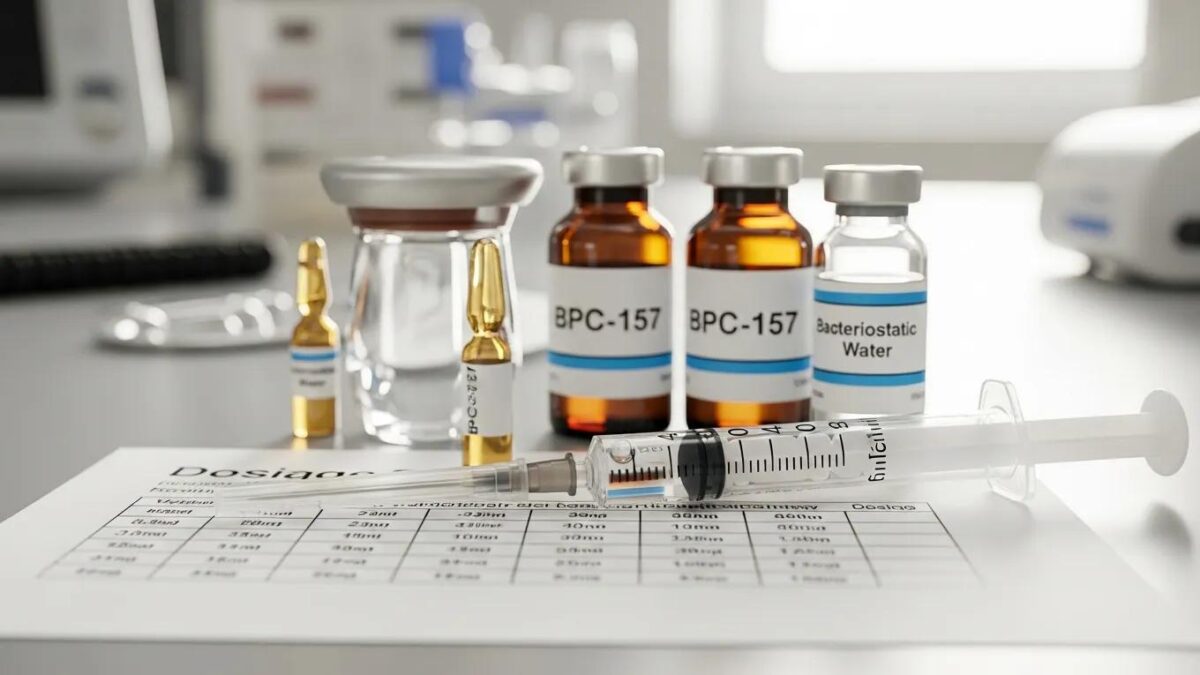
Clinical dosing protocols reported in scientific literature typically range from 200 to 800 micrograms per day, tailored according to injury severity and individual response. It is imperative to collaborate with qualified healthcare providers to determine and monitor an optimal dose, thereby minimizing risks of suboptimal outcomes or adverse reactions.
Safety Considerations
Ensuring safety is paramount when considering BPC‑157 therapy. Critical safety measures include:
- Consultation with Healthcare Professionals: Obtain thorough medical evaluation and guidance prior to initiating peptide therapy.
- Adherence to Evidence-Based Guidelines: Follow established dosing and administration protocols to mitigate potential risks.
- Vigilant Monitoring for Adverse Effects: Promptly report any side effects or unusual symptoms to your healthcare provider for timely intervention.
When administered within validated safety frameworks and under clinical supervision, BPC‑157 demonstrates a favorable safety profile that may support effective recovery.
Known Side Effects of BPC-157 Peptide
BPC‑157 is generally well tolerated in both preclinical and limited human studies. Mild side effects reported include:
Extensive animal studies reinforce BPC‑157’s safety, showing no significant adverse effects across various dosing regimens and administration routes in preclinical models.
BPC-157 Dosage & Administration Safety in Animal Models
In studies administering single and repeated intramuscular and intravenous doses of BPC‑157 ranging from 10 µg/kg to 10 mg/kg, no adverse effects were observed over six-week periods in rat and dog models. Additionally, BPC‑157 did not induce significant alterations in cardiovascular parameters such as blood pressure, heart rate, or body temperature.
Emerging use of BPC-157 in orthopaedic sports medicine:
A systematic review, H Hahamyan, 2025
- Nausea: Mild and transient in some users.
- Injection Site Reactions: Occasional redness or swelling at injection sites.
- Headaches: Rare and typically mild.
Adhering to Safety Protocols for Peptide Therapy
To ensure safe and effective peptide therapy, adhere to the following best practices:
- Regular Clinical Assessments: Schedule consistent follow-up appointments to evaluate therapeutic response and detect any adverse events early.
- Comprehensive Patient Education: Understand the pharmacodynamics and potential interactions of BPC‑157 within your physiological context.
- Detailed Documentation: Maintain accurate records of dosing schedules, symptomatology, and any side effects experienced.
Administration Techniques
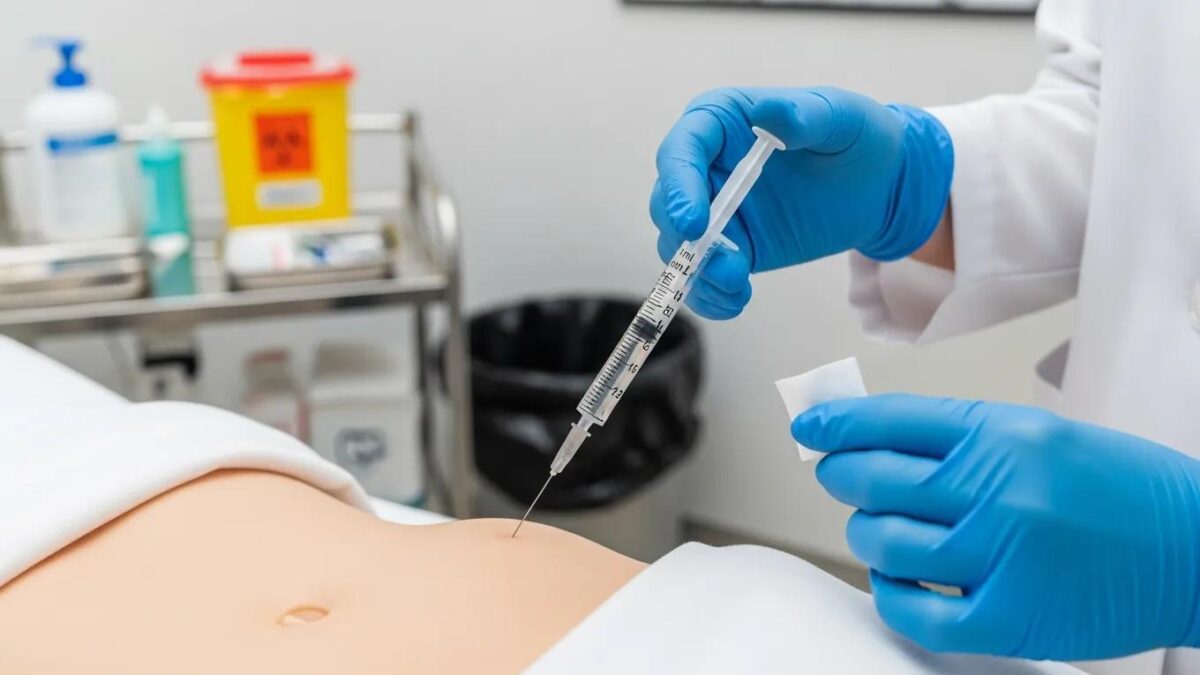
Proper administration is critical to maximize BPC‑157’s therapeutic efficacy. Subcutaneous injection remains the preferred route, facilitating systemic absorption. Essential administration techniques include:
- Injection Methods: Employ sterile syringes and rigorously cleanse injection sites to prevent infection.
- Rotation of Injection Sites: Systematically alternate injection locations to minimize tissue irritation and enhance absorption.
- Consistent Timing: Administer doses at regular intervals daily to maintain stable plasma concentrations.
Safe Administration Routes and Injection Techniques
Primary administration routes supported by current evidence include:
- Subcutaneous Injections: Most commonly utilized, with favorable tolerability and absorption profiles.
- Intramuscular Injections: An alternative route, potentially associated with increased discomfort but viable in certain clinical scenarios.
Dosage Variation by Injury Type and Severity
Dosing should be individualized based on injury characteristics. Typical guidelines include:
- Minor Injuries: Approximately 200–300 micrograms daily may be sufficient.
- Moderate Injuries: Dosages ranging from 400–600 micrograms daily are commonly reported.
- Severe Injuries: Higher doses up to 700–800 micrograms daily may be warranted.
Benefits for Muscle Healing
BPC‑157 facilitates muscle healing by enhancing tissue repair mechanisms and functional restoration. Key therapeutic actions include:
- Accelerated Tissue Repair: Promotes increased blood flow and nutrient delivery to damaged tissues.
- Support for Muscle Regeneration: Stimulates cellular processes that aid muscle growth and recovery.
- Injury Prevention: Enhances repair quality, potentially reducing susceptibility to future injuries.
Benefits of BPC-157 Peptide Therapy for Muscle Recovery
Documented benefits encompass:
- Reduction in Healing Time: Anecdotal and preliminary clinical reports indicate shortened recovery durations.
- Enhanced Muscle Repair Processes: Facilitates natural regenerative pathways at the cellular level.
- Improved Overall Recovery Outcomes: Supports faster return-to-play and functional restoration when integrated with comprehensive rehabilitation.
Systematic literature reviews consistently affirm BPC‑157’s positive impact on soft tissue healing—including tendons, ligaments, and skeletal muscle—with minimal adverse events reported.
BPC-157 for Skeletal Muscle & Soft Tissue Healing
This critical review synthesizes current evidence on BPC‑157 as a viable therapeutic agent for healing and functional restoration of soft tissue injuries, focusing on tendon, ligament, and skeletal muscle repair. Studies demonstrate consistent and rapid healing effects across diverse injury types, both traumatic and systemic, and various soft tissue structures. Skeletal muscle injury models further suggest efficacy in mitigating damage from direct trauma and systemic disturbances such as hyperkalamia and hypermagnesia. Adverse reactions are infrequent, though further research is essential to elucidate precise mechanisms and facilitate clinical translation.
Gastric pentadecapeptide body protection compound BPC 157 and its role in accelerating musculoskeletal soft tissue healing, NM Wragg, 2019
Mechanisms by Which BPC-157 Promotes Tissue Healing and Regeneration
BPC‑157 enhances tissue repair through multiple pathways:
- Increased Angiogenesis: Stimulates formation of new blood vessels, improving oxygen and nutrient delivery to injured tissues.
- Inflammation Modulation: Reduces excessive inflammatory responses that can impede healing.
- Collagen Synthesis Support: Promotes collagen production critical for structural tissue repair and integrity.
Complementary Muscle Recovery Peptides to BPC-157 Therapy
Adjunct peptides may potentiate recovery outcomes when combined with BPC‑157:
- TB-500: Frequently co-administered to broaden regenerative effects and enhance healing.
- IGF-1: Supports muscle hypertrophy and repair, synergizing with BPC‑157’s mechanisms.
Canada-Wide Delivery and Regulatory Compliance Impact on BPC-157 Access
Access to BPC-157 in Canada is influenced by supplier distribution capabilities and regulatory frameworks. Understanding these factors is essential for safe and lawful procurement.
Ordering Procedures and Delivery Options in Canada
Common procurement methods include:
- Online Ordering: Numerous suppliers offer online purchasing platforms for convenience.
- Delivery Services: Verify the reliability and legality of shipping services to your location.
Impact of Canadian Regulation on BPC-157 Use and Availability
Regulatory status significantly affects BPC-157’s availability. It is critical to confirm the current legal classification within your jurisdiction and adhere strictly to local laws to ensure compliant use.
| Dosage Range | Injury Type | Recommended Dosage |
|---|---|---|
| 200-300 mcg | Minor Injuries | 200-300 mcg daily |
| 400-600 mcg | Moderate Injuries | 400-600 mcg daily |
| 700-800 mcg | Severe Injuries | 700-800 mcg daily |
The table summarizes evidence-based dosage recommendations stratified by injury severity, emphasizing the necessity for personalized treatment protocols.
When integrated with appropriate dosing, rigorous safety monitoring, and precise administration techniques, BPC‑157 may serve as a valuable adjunct in comprehensive rehabilitation programs.
Frequently Asked Questions
What is the mechanism of action of BPC-157 in muscle recovery?
BPC‑157 promotes muscle recovery by stimulating angiogenesis, modulating inflammatory responses, and enhancing collagen synthesis, collectively accelerating tissue repair and improving functional outcomes.
Can BPC-157 be used for chronic injuries, or is it only effective for acute injuries?
Current evidence supports BPC‑157’s efficacy in both acute and chronic injury models, facilitating accelerated healing in acute cases and reducing inflammation while supporting repair in chronic conditions.
Are there any specific populations that should avoid using BPC-157?
Individuals who are pregnant, breastfeeding, have known peptide allergies, or suffer from serious medical conditions should consult healthcare professionals before initiating BPC‑157 therapy. It is also essential to review potential medication interactions with a qualified provider.
How long does it typically take to see results from BPC-157 therapy?
Therapeutic response times vary; some patients report improvements within days for acute injuries, whereas chronic conditions may require prolonged, consistent treatment under medical supervision.
What are the legal considerations for using BPC-157 in Canada?
BPC‑157 is not currently approved for human use by Health Canada and is generally restricted to research settings. Users must verify up-to-date regulatory information and consult healthcare professionals before acquisition or use.
Can BPC-157 be combined with other recovery therapies?
Yes. BPC‑157 can be safely integrated with physical therapy, nutritional strategies, and complementary peptides such as TB‑500 and IGF‑1. Coordination with healthcare providers is essential to ensure safety and optimize therapeutic synergy.
Conclusion
BPC‑157 demonstrates promising potential to enhance muscle recovery by accelerating tissue repair and reducing healing time. A thorough understanding of dosing parameters, administration techniques, and safety protocols—combined with collaboration with qualified clinicians—maximizes therapeutic benefits while minimizing risks. BPC‑157 should be utilized as part of a supervised, evidence-based recovery regimen to ensure optimal outcomes.