

TRT for Beginners: A Guide to Safe Testosterone Dosage
Testosterone Replacement Therapy (TRT) is a medical treatment designed to restore testosterone levels in men experiencing deficiency. Many individuals may find themselves struggling with symptoms such as fatigue, decreased libido, and muscle loss, which can significantly impact their quality of life. This article aims to provide a comprehensive overview of testosterone dosage for beginners, ensuring a safe and effective approach to therapy. We will explore the fundamentals of TRT, recommended dosages, safety measures, and specific considerations for those in Canada. By understanding these aspects, beginners can make informed decisions about their health and well-being.
Understanding the various forms and administration methods of testosterone is crucial for beginners considering TRT.
Testosterone Preparations and Administration Methods
Testosterone has been used for substitution therapy in testicular and hypothalamopituitary diseases for almost six decades, with injectable testosterone esters and implanted testosterone pellets being the mainstay of treatment. The development of several new modes of administration of testosterone, including transdermal patches, gels, mucoadhesive sustained-release buccal tablets, and long-acting testosterone esters, are designed to provide testosterone levels that approximate normal physiologic levels, improve patient acceptability, and increase treatment options. This review discusses the pharmacokinetics, advantages, and disadvantages of various formulations and summarizes currently available preparations.
Drug insight: testosterone preparations, 2006
What Is Testosterone Replacement Therapy and Who Should Start?
Testosterone Replacement Therapy (TRT) is a medical intervention aimed at restoring testosterone levels in men who have been diagnosed with low testosterone, also known as hypogonadism. This therapy can alleviate symptoms associated with low testosterone, such as fatigue, reduced libido, and muscle weakness. It is essential for individuals experiencing these symptoms to consult healthcare professionals to determine if they are suitable candidates for TRT.
Understanding Beginner Hormone Therapy and Its Benefits
For beginners, hormone therapy can offer several benefits, including:
- Improved Muscle Mass: Testosterone plays a crucial role in muscle development, and TRT can help individuals regain lost muscle mass.
- Enhanced Performance: Many users report improved physical performance and stamina, making it easier to engage in regular exercise.
- Improved Recovery: Testosterone aids in recovery from workouts, allowing for more effective training sessions.
These benefits can significantly enhance the quality of life for those suffering from low testosterone levels.
How to Determine Safe Testosterone Levels for Starters
Determining safe “testosterone levels” is crucial for anyone considering TRT. Beginners should consult healthcare professionals who can provide guidance based on individual health profiles. Regular blood tests are essential to monitor testosterone levels and ensure they remain within a safe and therapeutic range. Additionally, individuals should be aware of symptoms that may indicate low testosterone, such as fatigue, mood changes, and decreased libido. blog
What Are the Recommended Testosterone Injection Dosages for Beginners?
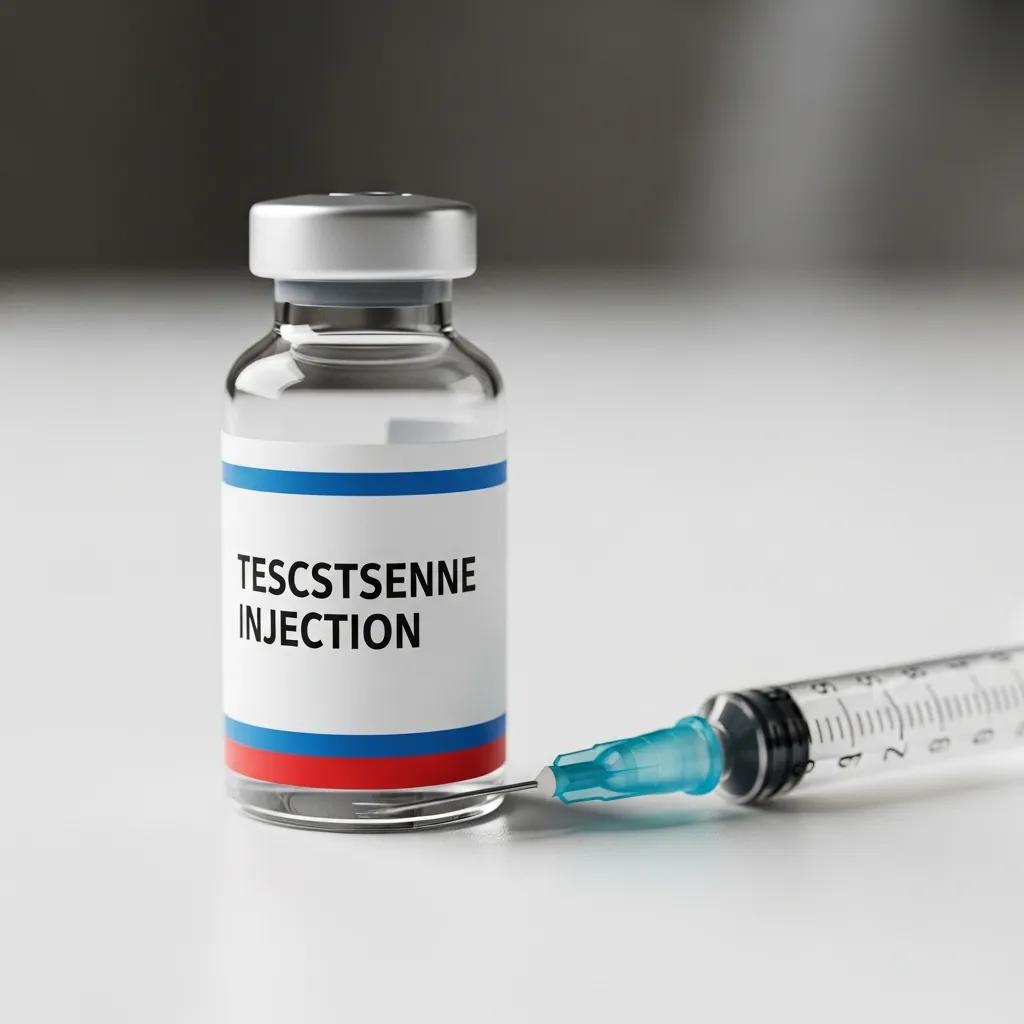
When starting TRT, it is vital to follow recommended dosage protocols to ensure safety and effectiveness. Beginners should be aware of typical starting dosages and how to adjust them based on their response to therapy.
Typical Starting Dosage Amounts and Injection Frequency
For beginners, the typical starting dosage of testosterone injections is often between 50mg to 100mg administered once or twice weekly, or 100mg to 200mg every two weeks. More frequent injections (e.g., weekly or biweekly) are generally preferred to maintain stable testosterone levels and reduce side effects. It is essential to follow a healthcare provider’s recommendations and adjust the dosage as needed based on individual responses.
The choice of administration method can significantly impact the pharmacokinetics and overall safety profile of testosterone therapy.
Comparative Safety of Testosterone Dosage Forms
ABSTRACT: AbstractImportanceIncreases in testosterone use and mixed reports of adverse events have raised concerns about the cardiovascular safety of testosterone. Testosterone is available in several delivery mechanisms with varying pharmacokinetics; injections cause spikes in testosterone levels, and transdermal patches and gels cause more subtle but sustained increases. The comparative cardiovascular safety of gels, injections, and patches has not been studied.ObjectiveTo determine the comparative cardiovascular safety of testosterone injections, patches, and gels.
Comparative safety of testosterone dosage forms, JB Layton, 2015
| Dosage Amount | Injection Frequency | Notes |
|---|---|---|
| 50-100mg | Once or twice weekly | Suitable for most beginners to maintain stable levels |
| 100mg | Every 2 weeks | Less frequent dosing, may cause fluctuations in levels |
| 150-200mg | Every 2 weeks | For those with significant deficiency, but less common due to potential side effects |
How to Adjust Dosage Based on Monitoring and Personal Response
Adjusting “testosterone dosage” should be based on regular monitoring and personal response to therapy. Beginners should keep track of their symptoms and communicate with their healthcare provider about any changes. Regular blood tests will help determine if the current dosage is effective or if adjustments are necessary. It is crucial to avoid self-adjusting dosages without professional guidance.
How Can Beginners Ensure Safety During Testosterone Therapy?
Safety is paramount when undergoing TRT, especially for beginners. Understanding potential side effects and the importance of medical supervision can help mitigate risks associated with testosterone therapy. Safety
Common Side Effects and How to Manage Them
While TRT can provide significant benefits, it may also lead to side effects. Common side effects include:
- Injection Site Reactions: Some individuals may experience pain or swelling at the injection site.
- Mood Swings: Fluctuations in mood can occur, and it is essential to monitor these changes.
- Acne: Increased testosterone levels can lead to acne breakouts.
- Polycythemia: An increase in red blood cell count, which requires monitoring.
- Sleep Apnea: TRT can exacerbate existing sleep apnea in some individuals.
Managing these side effects involves open communication with healthcare providers and possibly adjusting the dosage or switching to a different administration method.
Importance of Medical Supervision and Therapy Monitoring
Medical supervision is critical during TRT. Healthcare providers can offer personalized advice, monitor the effectiveness of the therapy, and prevent potential complications. Regular check-ups and blood tests are essential to ensure that “testosterone levels” remain within a safe and therapeutic range and that any side effects are addressed promptly.
A key aspect of medical supervision involves monitoring for potential long-term risks, such as those related to prostate health.
Prostate Risk and Monitoring During TRT
ABSTRACT: AbstractMen with hypogonadism have reduced risk of prostate cancer mortality; whether testosterone treatment increases the risk of prostate safety events in men with hypogonadism remains controversial. Several studies including 4 larger randomized trials—the Testosterone Trials, TEstosterone and Atherosclerosis Progression in Aging Men (TEAAM) trial, Testosterone for Diabetes Mellitus trial, and Testosterone Replacement therapy for Assessment of long-term Vascular Events and efficacy ResponSE in hypogonadal men (TRAVERSE) trial—treated men with testosterone or placebo for 1 year or longer and reported prospectively ascertained prostate safety data. The TRAVERSE Trial, because of its large size, longer duration, and adjudication of prostate events, has provided comprehensive data on the risk of adverse prostate events during testosterone replacement therapy (TRT). Among men with hypogonadism, carefully screened to exclude those at high risk of prostate cancer, the incidences of high-gra
Prostate risk and monitoring during testosterone replacement therapy, 2024
TRT Starter Dosage Guide: Safe, Effective Protocols for Beginners

In Canada, there are specific delivery and regulatory considerations for individuals seeking TRT. Understanding these aspects can help ensure a smooth experience when starting therapy.
How Does Alphastacks.shop Deliver Testosterone Products Across Canada?
Alphastacks.shop offers delivery options for testosterone products across Canada. Utilizing reliable shipping methods, such as Canada Post, ensures that customers receive their orders promptly and securely. However, it is important to note that testosterone is a controlled substance in Canada and requires a prescription from a licensed healthcare provider. Purchasing testosterone products online without a prescription may be illegal and unsafe. More information about shipping methods can be found on our website.
Understanding Canadian Regulations for Testosterone Replacement Therapy
In Canada, testosterone replacement therapy is regulated to ensure safety and efficacy. Testosterone is classified as a Schedule IV controlled substance under the Controlled Drugs and Substances Act. It is essential to obtain testosterone products from licensed pharmacies with a valid prescription to guarantee authenticity and quality. Individuals should be aware of the legal requirements surrounding TRT and ensure they are compliant with local regulations.