Understanding Steroids: Benefits and Risks
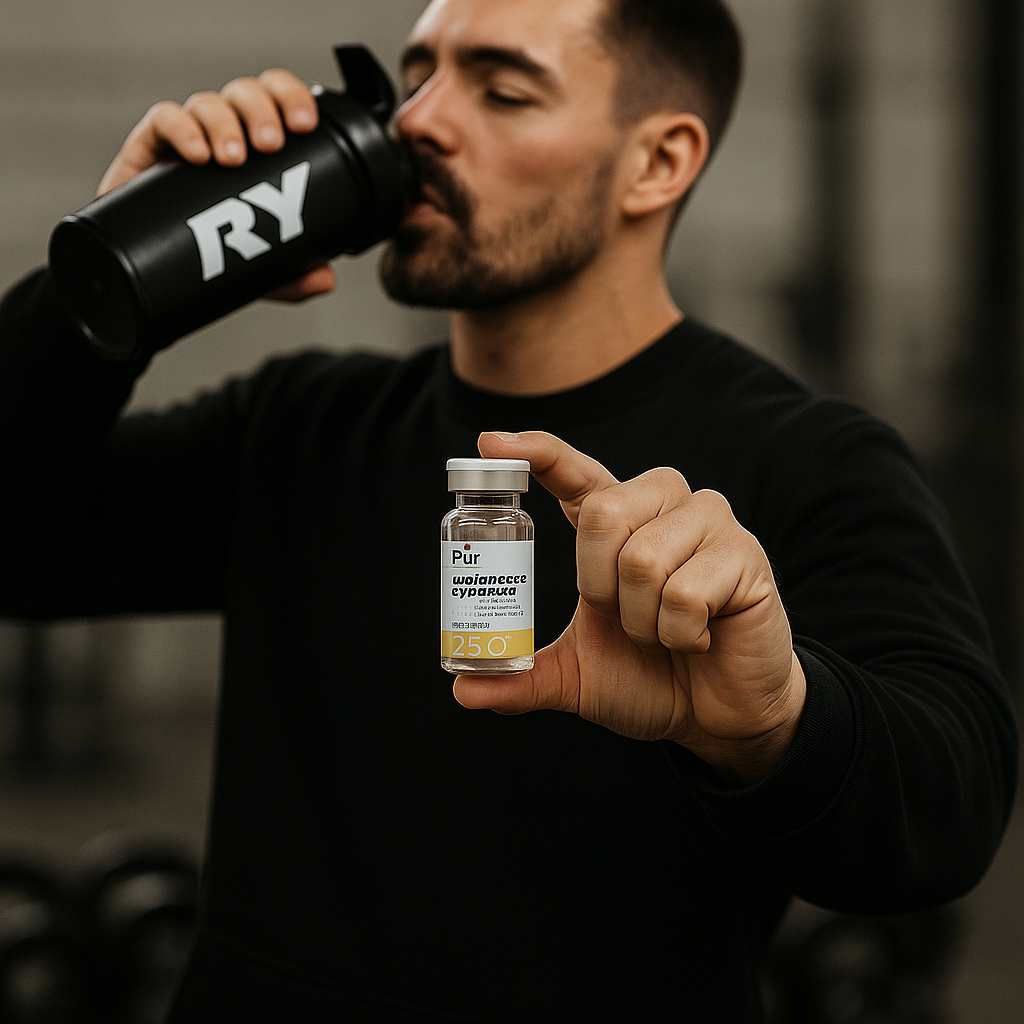
Steroids are often used to enhance physical performance and muscle growth, but they come with a range of benefits and risks that users must consider. Understanding these factors is crucial for anyone contemplating their use, as the implications can significantly impact health and well-being.
For instance, while anabolic steroids can lead to increased muscle mass and improved athletic performance, they can also cause serious side effects such as liver damage, hormonal imbalances, and cardiovascular issues. It's essential to weigh these risks against the potential benefits and to consult with healthcare professionals before starting any steroid regimen.
Popular Supplements for Muscle Growth
In addition to steroids, various supplements can support muscle growth and overall fitness. These products are designed to enhance performance, recovery, and muscle-building processes, making them popular among athletes and fitness enthusiasts alike.
Some of the most commonly used supplements include protein powders, creatine, and branched-chain amino acids (BCAAs). Each of these supplements has been researched for its effectiveness in promoting muscle growth and recovery, providing users with options that align with their fitness goals without the risks associated with steroid use.
Post Cycle Therapy: What You Need to Know
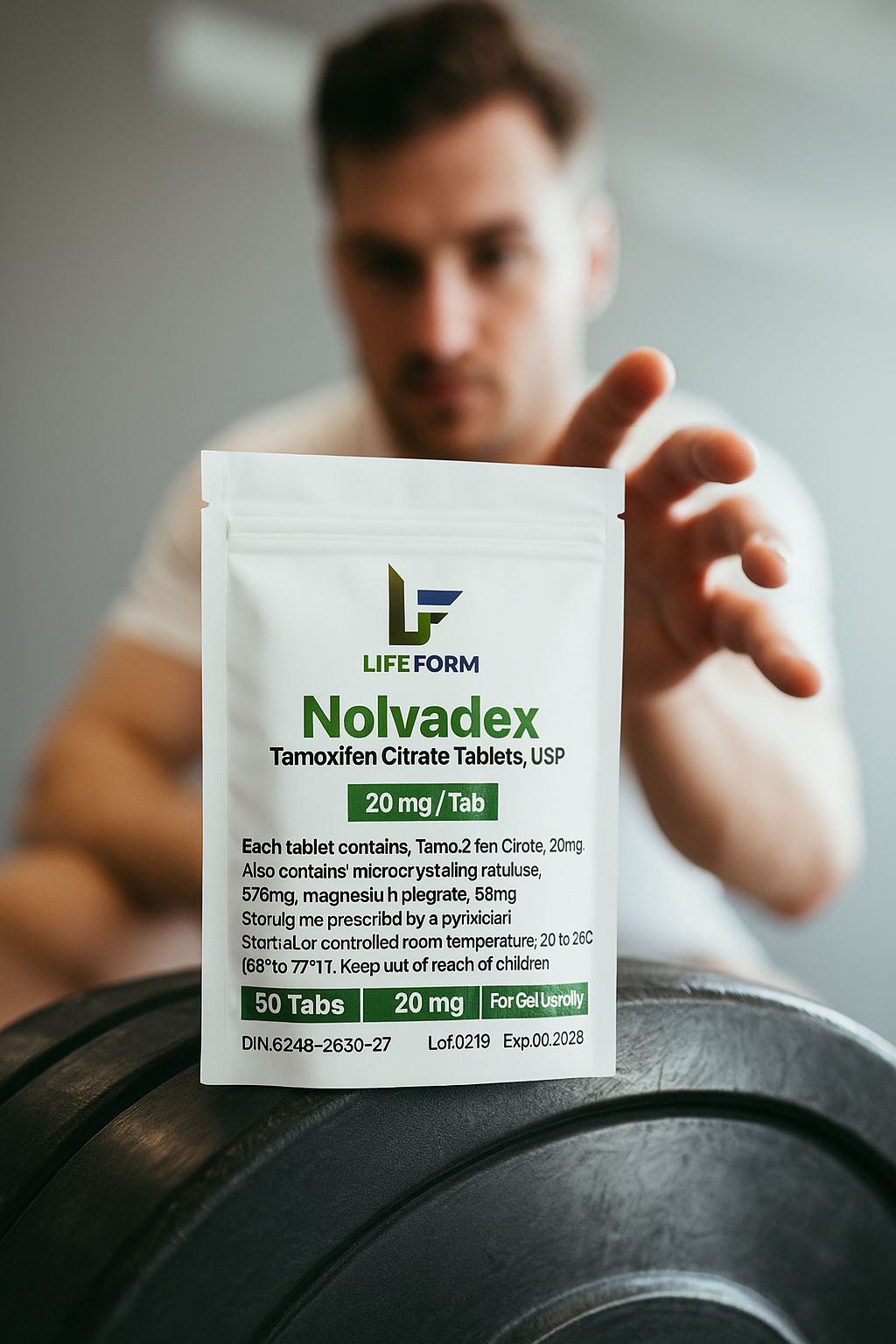
Post Cycle Therapy (PCT) is a crucial process for individuals who have used steroids or other performance-enhancing drugs. PCT helps restore the body's natural hormone levels after a cycle of steroid use, minimizing side effects and promoting recovery.
Effective PCT typically includes medications such as Clomid or Nolvadex, which help stimulate natural testosterone production. Understanding the importance of PCT can significantly impact long-term health and fitness outcomes for those who have engaged in steroid use.
Health Guides for Safe Supplement Use
As the market for health supplements continues to grow, it's essential to have access to reliable health guides that educate users on safe practices. These guides can help consumers navigate the complex landscape of supplements, ensuring they make informed decisions.
Health guides may cover topics such as dosage recommendations, potential side effects, and interactions with other medications. By providing thorough information, these resources empower users to utilize supplements effectively while prioritizing their health and safety.