

Testosterone Enanthate Dosage and Use Guide for Safe and Effective Fitness Results
Testosterone Enanthate is a widely utilized anabolic steroid known for its efficacy in promoting increased muscle mass, enhancing physical performance, and supporting recovery processes. This comprehensive guide delivers evidence-based, clinically relevant information on appropriate dosage, administration techniques, and potential adverse effects to ensure safe and effective use. Addressing low testosterone levels is critical for optimizing muscle growth and recovery, and proper administration protocols are essential to mitigate associated risks. The following sections provide detailed insights into dosage recommendations, injection best practices, expected physiological outcomes, side effect profiles, and necessary precautions.
Comprehensive Guide on Testosterone Enanthate: Dosage, Administration, Fitness Outcomes, and Side Effects
Testosterone Enanthate is a synthetic testosterone ester extensively used in hormone-replacement therapy (HRT) and, in some cases, by athletes and bodybuilders aiming to enhance muscle hypertrophy and strength. By elevating circulating testosterone levels, it facilitates anabolic processes critical for muscle development and recovery. Adhering to scientifically supported dosing and administration protocols is paramount for maximizing benefits while minimizing health risks.
1. Dosage Recommendations:
Following established dosage guidelines based on user experience and therapeutic goals is essential to optimize outcomes and reduce adverse effects.
| User Level | Recommended Dosage |
|---|---|
| Beginners | 300–500 mg per week |
| Intermediate Users | 500–750 mg per week |
| Advanced Users | 750–1,000 mg per week |
Note that prices for Testosterone Enanthate vary significantly depending on supplier, geographic location, and product quality. Always source from reputable providers to ensure authenticity and safety.
2. Safe Administration Practices:
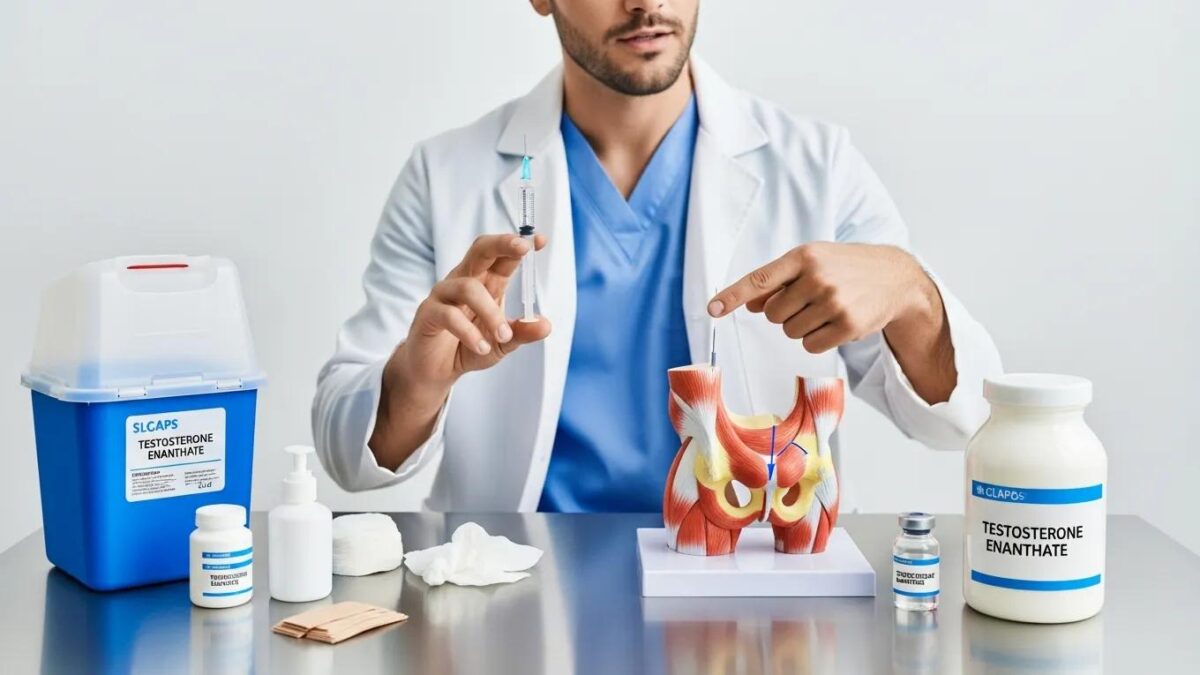
Safe administration is critical to prevent complications such as infections, tissue damage, and systemic adverse effects. Prior to initiating therapy, consultation with a qualified healthcare provider is strongly recommended. Employ proper intramuscular injection techniques, including the use of sterile needles and syringes, rotating injection sites to avoid tissue fibrosis, and adhering to hygienic protocols. Regular medical monitoring, including blood tests and clinical evaluations, facilitates early detection and management of potential side effects.
3. Effective Fitness Outcomes:
Clinical and anecdotal evidence indicates that Testosterone Enanthate users may experience significant increases in lean muscle mass, enhanced strength, accelerated recovery times, and improved hormonal balance. These physiological benefits contribute to its popularity among competitive athletes and bodybuilders. However, outcomes depend on individual response, dosage, diet, training regimen, and adherence to safe use guidelines.
4. Potential Side Effects:

While Testosterone Enanthate offers substantial benefits, it carries the risk of adverse effects, particularly when misused or administered without medical supervision. Common side effects include:
- Acne: Elevated androgen levels increase sebaceous gland activity, leading to oily skin and breakouts.
- Hair Loss: Androgenic alopecia may be exacerbated in genetically predisposed individuals.
- Increased Aggression: Mood alterations such as irritability and aggression can occur due to hormonal fluctuations.
- Gynecomastia: Aromatization of testosterone to estrogen may cause breast tissue development in males.
- Fluid Retention: Edema and bloating may result from hormonal effects on water balance.
More severe risks include cardiovascular complications such as hypertension and dyslipidemia, as well as potential liver toxicity. Continuous medical oversight is essential to monitor and mitigate these risks.
5. Safety Precautions:
To minimize health risks, users should adhere to the following precautions:
- Strictly follow recommended dosages and avoid self-escalation.
- Maintain a nutrient-rich, balanced diet to support metabolic and cardiovascular health.
- Limit alcohol consumption to reduce hepatic strain and potential interactions.
- Engage in regular health screenings, including lipid profiles, liver function tests, and hormonal panels.
- Disclose all medications and supplements to healthcare providers to avoid contraindications.
What is Testosterone Enanthate and How is it Used?
Testosterone Enanthate is an esterified form of testosterone designed for intramuscular injection, characterized by a prolonged half-life that allows for less frequent dosing compared to non-esterified testosterone. It is primarily utilized in clinical hormone-replacement therapy to treat hypogonadism and other conditions associated with low endogenous testosterone. By restoring physiological testosterone levels, it improves muscle mass, bone density, libido, mood, and overall physical function.
Understanding Testosterone Enanthate: Composition and Purpose
Testosterone Enanthate consists of the testosterone molecule chemically bound to an enanthate ester, which slows its release into the bloodstream, providing a sustained elevation of serum testosterone. This pharmacokinetic profile makes it suitable for therapeutic applications requiring stable hormone levels and is also exploited in performance enhancement contexts under medical supervision.
Who Should Consider Using Testosterone Enanthate?
Testosterone Enanthate is primarily indicated for men diagnosed with clinically confirmed hypogonadism or other medical conditions resulting in testosterone deficiency. Some athletes and bodybuilders may use it to augment muscle mass and performance; however, such use should only occur under strict medical guidance due to potential health risks. Women may receive testosterone therapy in specific clinical scenarios but require careful dosing and monitoring to avoid virilization.
What are the Recommended Dosage Guidelines and Injection Frequency?
Dosage and injection frequency should be individualized based on clinical assessment, user experience, and therapeutic goals.
- Injection Frequency: Typically, injections are administered every 5–10 days to maintain stable serum testosterone levels and minimize hormonal fluctuations.
Standard Dosage Protocols for Testosterone Enanthate
The following table summarizes standard dosage protocols based on user experience levels and clinical practice.
| User Level | Dosage | Injection Frequency |
|---|---|---|
| Beginners | 300 mg | Every 5-10 days |
| Intermediate Users | 500 mg | Every 5-10 days |
| Advanced Users | 750 mg | Every 5-10 days |
How Often Should Testosterone Enanthate Injections be Administered?
Administering injections every 5–10 days helps maintain consistent testosterone concentrations, reducing the risk of hormonal peaks and troughs that can contribute to side effects and suboptimal therapeutic outcomes.
What Safety Precautions and Side Effects Should Users Be Aware Of?
Understanding both the safety precautions and potential adverse effects associated with Testosterone Enanthate is critical for responsible use.
- Common Side Effects: Include acne, hair loss, increased aggression, gynecomastia, and fluid retention.
- Serious Risks: Cardiovascular complications such as hypertension, dyslipidemia, and increased risk of thromboembolic events; liver toxicity; and endocrine disturbances.
Common Side Effects Associated with Testosterone Enanthate
Common side effects are primarily related to androgenic and estrogenic activity and include:
- Acne: Resulting from increased sebaceous gland activity.
- Hair Loss: Particularly in individuals with a genetic predisposition to male pattern baldness.
- Increased Aggression: Mood swings and irritability due to hormonal fluctuations.
Precautions and Contraindications for Safe Use
To ensure safe use, individuals should:
- Consult a healthcare provider for thorough evaluation and prescription.
- Adhere strictly to prescribed dosages and administration schedules.
- Undergo regular health monitoring, including hormonal assays and organ function tests.
- Avoid use if contraindicated by pre-existing conditions such as prostate cancer, breast cancer, or severe cardiovascular disease.
Where and How Can You Purchase Testosterone Enanthate?
Acquiring Testosterone Enanthate legally requires adherence to local laws and regulations, including obtaining prescriptions where mandated. Purchasing from authorized and reputable suppliers ensures product authenticity, quality, and safety, reducing the risk of counterfeit or contaminated products.
Ordering Testosterone Enanthate
Authorized vendors provide secure ordering platforms with verified delivery options. Users should follow official procedures and verify vendor credentials before purchase.
Legal Considerations for Buying Testosterone Enanthate
Testosterone Enanthate is classified as a controlled substance in many jurisdictions, necessitating prescriptions and compliance with regulatory frameworks. Unauthorized possession, distribution, or use may result in legal penalties. It is imperative to consult healthcare professionals and familiarize oneself with local legislation prior to procurement.
Frequently Asked Questions
What are the benefits of using Testosterone Enanthate for fitness?
Testosterone Enanthate enhances muscle hypertrophy, strength, and recovery by elevating serum testosterone levels. It supports anabolic metabolism, improves nitrogen retention, and facilitates protein synthesis. Additionally, it may contribute to improved energy levels and training consistency. Optimal results require responsible use combined with appropriate nutrition and exercise.
Can women use Testosterone Enanthate safely?
While testosterone therapy is primarily prescribed for men, select female patients may receive it under strict medical supervision for conditions such as hypoactive sexual desire disorder or certain hormonal deficiencies. Due to increased sensitivity to androgens, women are at higher risk of virilization symptoms, including voice deepening and hirsutism. Medical consultation is essential to evaluate risks and benefits.
How can users minimize the risk of side effects when using Testosterone Enanthate?
Minimizing side effects involves adhering to prescribed dosages and injection schedules, undergoing regular medical monitoring including blood tests for hormone levels and liver function, maintaining a balanced diet rich in essential nutrients, ensuring adequate hydration, and limiting alcohol consumption to reduce hepatic strain. Promptly reporting any adverse symptoms to healthcare providers facilitates timely intervention.
What should I do if I miss a Testosterone Enanthate injection?
If an injection is missed, administer it as soon as possible unless it is close to the next scheduled dose. In such cases, skip the missed dose and continue with the regular schedule. Avoid doubling doses to compensate. Seek personalized advice from a healthcare professional if uncertain.
Are there any dietary recommendations for users of Testosterone Enanthate?
Users should maintain a balanced diet emphasizing adequate protein intake to support muscle repair and growth, healthy fats for hormonal synthesis, and complex carbohydrates for sustained energy. Micronutrients such as zinc and vitamin D are important for maintaining normal testosterone levels. Hydration and limiting processed foods and added sugars contribute to overall health during therapy.
What are the legal implications of using Testosterone Enanthate?
The legal status of Testosterone Enanthate varies globally. In many countries, it is a controlled substance requiring a prescription for legal use. Unauthorized possession, distribution, or use can lead to significant legal consequences. Users should familiarize themselves with local laws and consult healthcare professionals to ensure compliance.
Conclusion
Testosterone Enanthate is a potent anabolic agent capable of enhancing muscle growth, strength, and recovery when used responsibly under medical supervision. Adhering to recommended dosages, safe administration practices, and regular health monitoring maximizes therapeutic benefits while minimizing risks. For procurement, always utilize authorized and reputable sources to ensure product quality and legal compliance. Consultation with healthcare professionals is essential for personalized assessment, safe use, and optimal outcomes.